LANGO AT A DEFINING CROSSROADS: ONE YEAR WITHOUT YOSAM ODUR EBII — WILL THE COURT END A 14-YEAR CULTURAL BATTLE?
A memorial, a diaspora legacy and a defining Court of Appeal date put Lango's rival cultural institutions before a test that neither side can win alone.
By James Alele-Acuda | Critical Thinker | Founder & Editor, JAA Hard Talk Is Wealth News Network
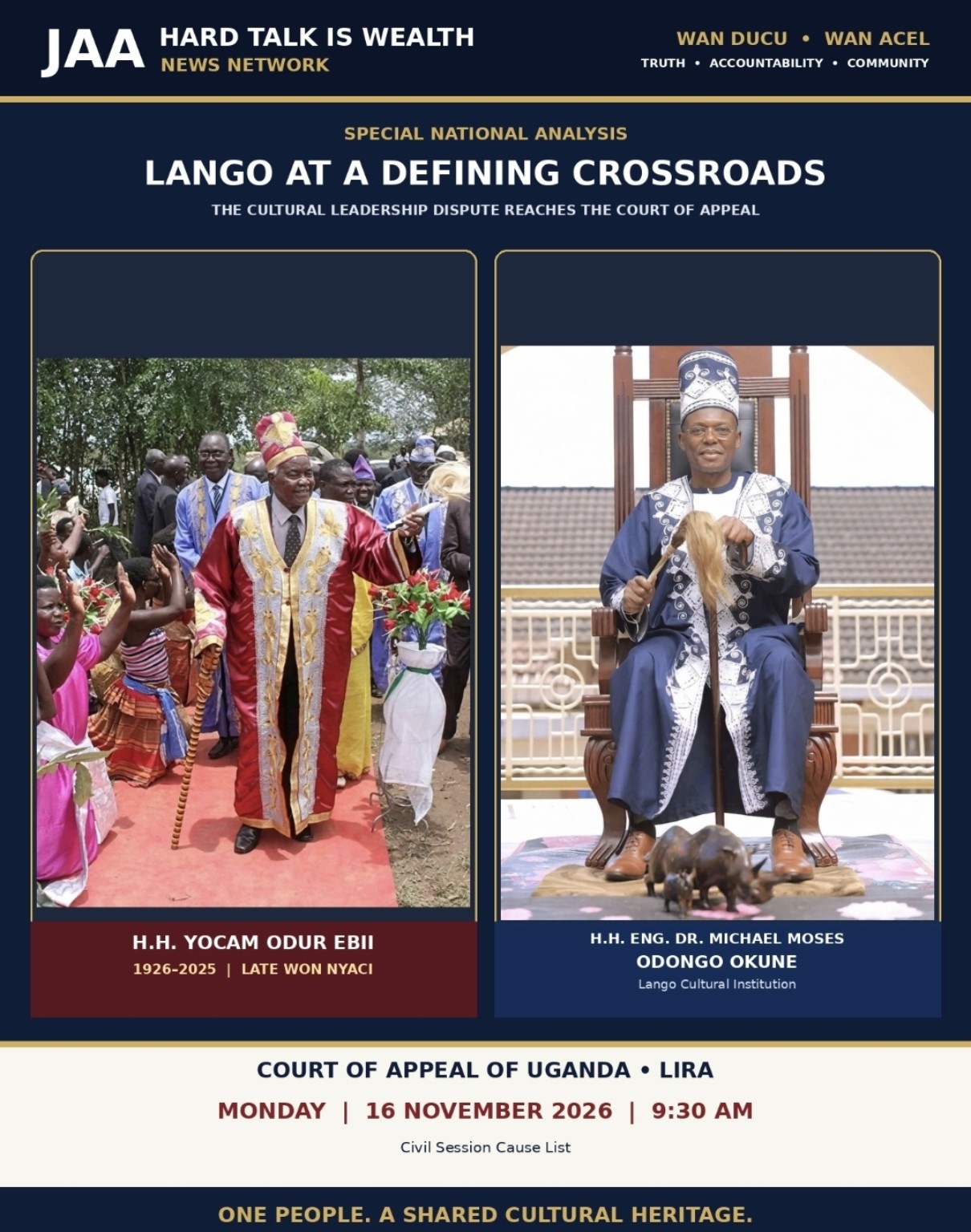
LIRA/APAC, UGANDA — Lango is approaching a moment that will test not only its cultural institutions but also the maturity of its leadership, the restraint of its supporters and the strength of its shared identity.
On 10 November 2025, the community lost H.H. Yosam Odur Ebii, the former Won Nyaci Me Lango, who died aged 99 at Lira University Teaching Hospital. Born in 1926 in Akokoro, Apac District, he served as Uganda's Minister of Health from 1983 to 1985 under the second administration of Apollo Milton Obote. In 2003, he was elected Won Nyaci and became the first leader to occupy the restored office after decades without that traditional institution.
His public life included cultural leadership, public service and efforts to encourage dialogue during years of conflict in northern Uganda. He worked with elders and religious leaders to advocate peace, reconciliation and the resolution of disputes. He promoted education, the preservation of Leb Lango and the use of customary processes to resolve disagreements. His legacy deserves serious reflection—not selective remembrance shaped by today's rivalries.
ONE YEAR WITHOUT YOSAM ODUR EBII: A MEMORIAL THAT SHOULD AWAKEN THE CONSCIENCE OF LANGO
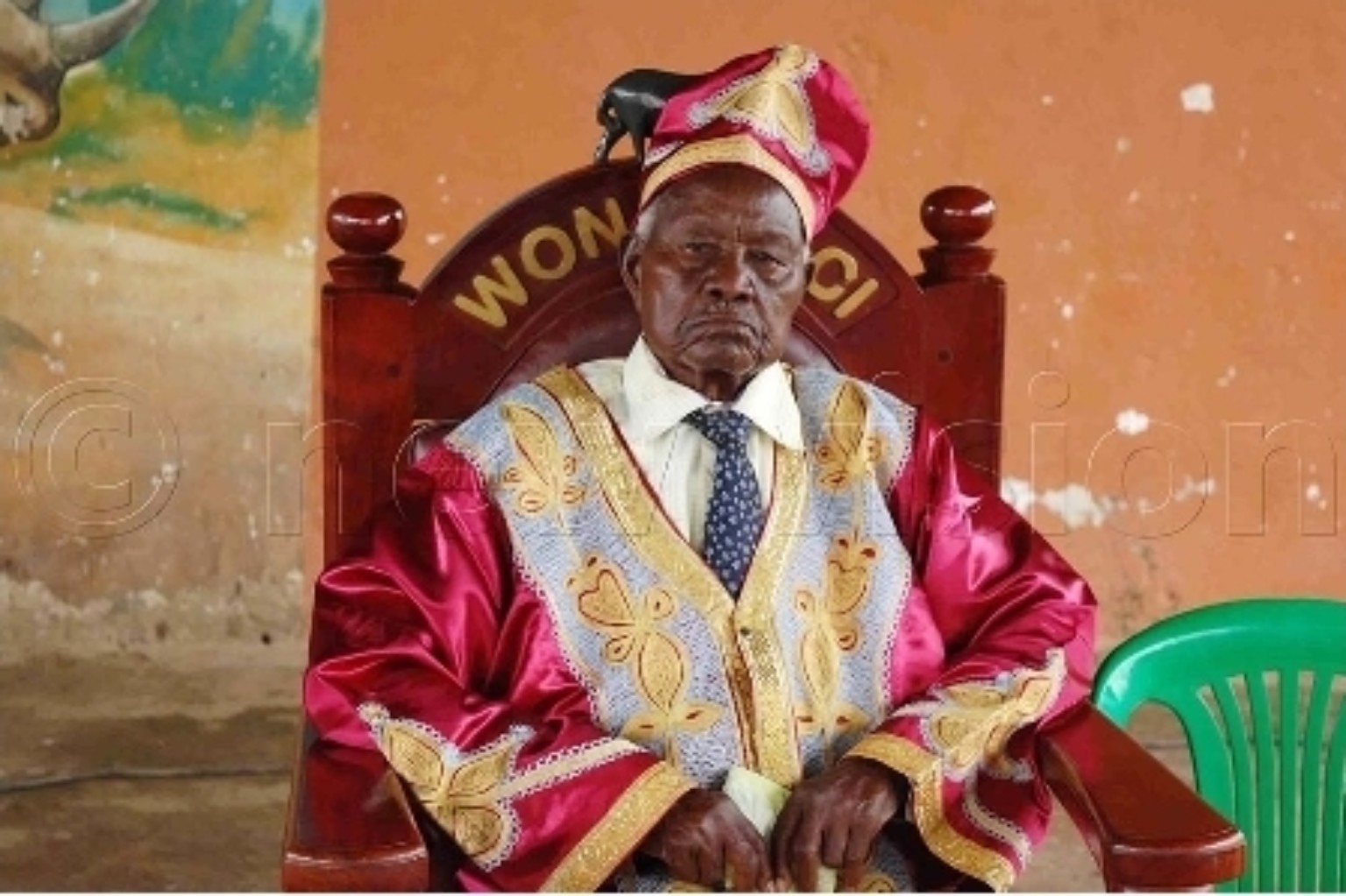
One year after his death, the most meaningful tribute cannot be confined to speeches, wreaths, ceremonial robes or the recitation of titles. It must include an honest examination of what happened to the institution he led, why the community became divided and what those who now claim to defend his legacy are prepared to do to restore confidence.
Yosam's years in public service and at the head of the cultural institution were not without disagreement. No leader's legacy should be beyond scrutiny. But neither should his memory be used as a weapon. A memorial should create room for gratitude, historical truth and reconciliation—not become another platform for humiliating opponents.
MY PERSONAL CONNECTION: THE 2007 LANGO DIASPORA CONFERENCE IN LONDON
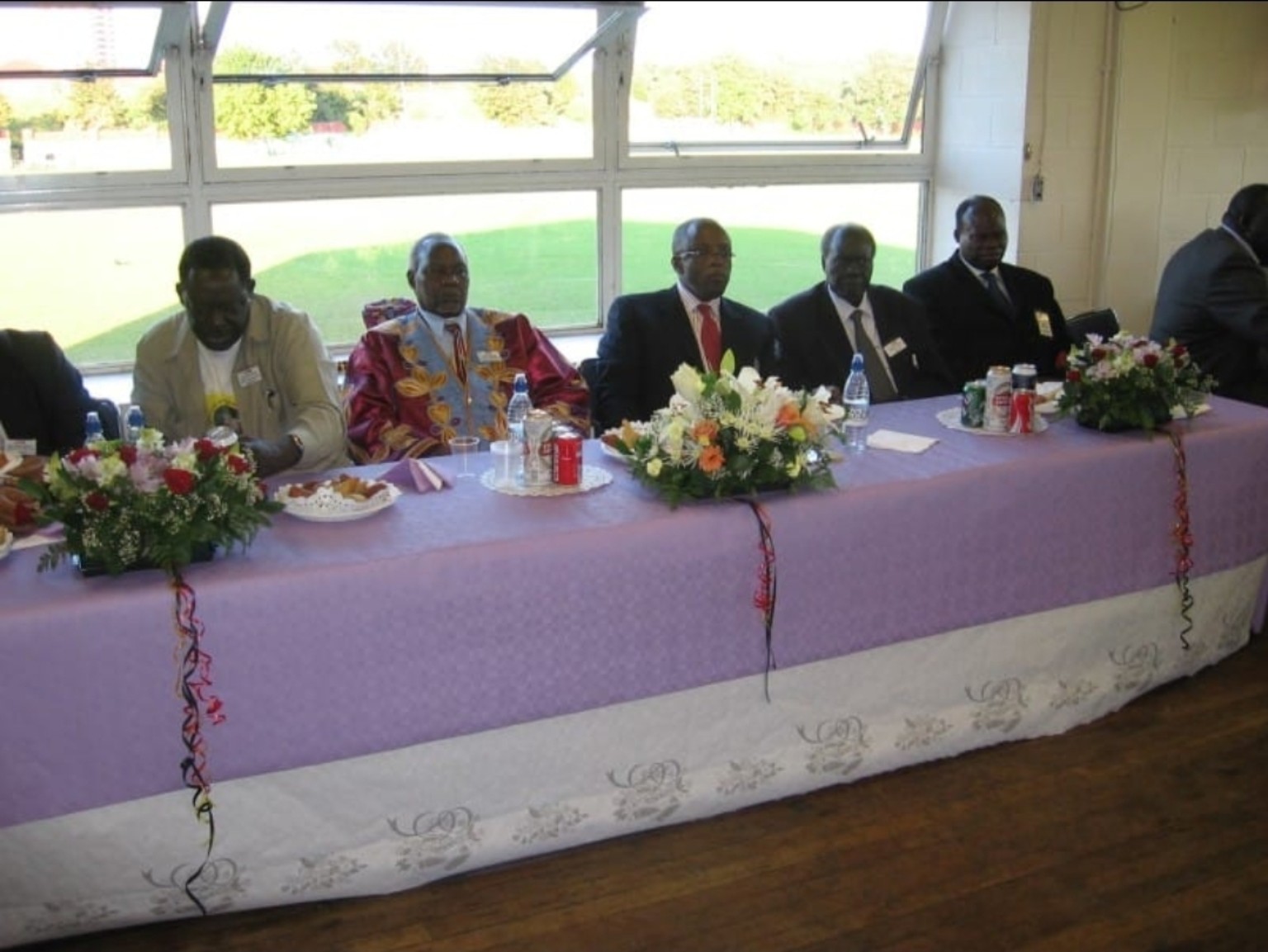
For me, this is not merely a story I am observing from a distance. I was in attendance at the Lango Diaspora Conference in London in August 2007, together with Dr Robert Olet Egwea, who was then the General Secretary of Lango Association UK.
The conference was held at the University of East London from 25 to 26 August 2007. It brought together sons and daughters of Lango from the United States, Canada, Europe, Australia, South Africa and Uganda. It was conceived because many in the diaspora were concerned that the Lango sub-region had fallen behind much of the country in development, after roughly two decades of conflict and disruption. The LRA insurgency had devastated homes, roads, health facilities, schools and livelihoods; families were returning from internally displaced persons' camps and the region faced the difficult task of rebuilding.
The conference was not simply a social gathering. It sought to turn diaspora concern into a practical development agenda. Among the major resolutions were the establishment of a university in Lango, the tarmacking of the Apac road and the pursuit of sustainable peace. These were not small ambitions. They were a statement that Lango's recovery required education, infrastructure, security and a partnership between people at home and abroad.
In his opening address, Won Nyaci Yocam Odur commended the organisers for bringing Lango people together. He spoke about the creation of Amolatar, Dokolo and Oyam districts following requests from the Langi, while noting that more administrative development was still needed. On peace, he reflected on the effects of cattle rustling and the LRA war, and described efforts to build peaceful relations with the Karamojong, Acholi and neighbouring communities.
His assessment of public services was frank. He spoke of damaged roads, destroyed homes and hospitals, shortages of water and food, inadequate medicines and too few medical workers. He warned that education standards had suffered and emphasised that Lango had no university. He said land had been identified at Loro for a proposed university. He also addressed land disputes, the plight of widows and orphans in areas affected by war, and the need for clans and local governments to resolve disputes amicably.
He described religious leaders as united in condemning the suffering in the region, and outlined the roles of youth and women within the Won Nyaci's office. He explained the origins of the Won Nyaci institution and spoke of cooperation between central government, Lango MPs, district local governments, councillors and the Lango Cultural Foundation. He appealed to the diaspora to return home, teach children Leb Lango and Lango traditions, and bring their spouses into the experience of Lango culture.
Among the other guests and participants were then Minister of Housing Daniel Omara Atubo, Amama Mbabazi, who led the government delegation, Sam Engola, Ben Wacha, Beatrice Lagada and Lango district chairpersons. The conference offered a glimpse of what was possible when cultural leadership, elected representatives, religious leaders and the diaspora worked towards shared goals.
That is why the present division is so painful. The 2007 conference was convened to bring Lango together around peace and development. Nearly two decades later, the community is still debating the authority to speak in its name.
FROM ONE CULTURAL FOUNDATION TO TWO COMPETING CENTRES OF AUTHORITY
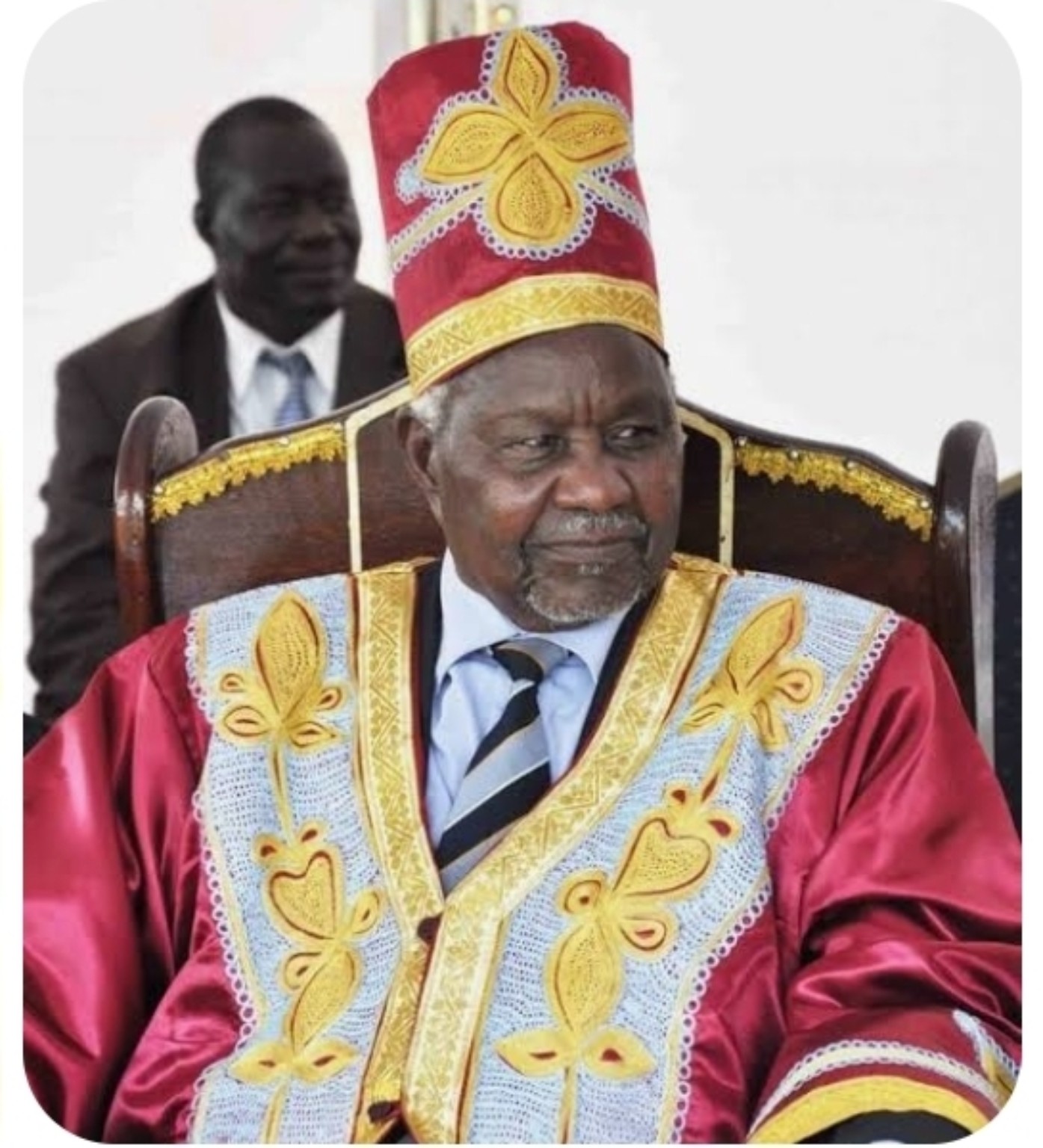
Before the present split, the Lango Cultural Foundation under the late Yosam Odur Ebii was the principal cultural institution through which the Won Nyaci's leadership was exercised. The later emergence of the Lango Cultural Institution and competing claims to the Won Nyaci office created two centres of authority where the community had previously looked to one institution.
One of the striking features of this history is that Eng. Dr Michael Moses Odongo Okune was once regarded as a close associate and trusted figure within Yosam's circle. The subsequent rupture therefore raises difficult questions about leadership, succession, institutional governance and trust. Political history offers a familiar analogy: major leadership ruptures sometimes begin within the inner circle, not outside it. That observation is not proof of wrongdoing by any individual; it is a reminder that institutions need transparent rules, checks and succession arrangements strong enough to survive personal disagreements.
The issue should not be reduced to personalities alone. Lango needs to understand how its cultural institutions are constituted, who their members are, how leaders are selected, how finances and property are managed, and what mechanisms exist when an election or succession process is disputed. Without transparent answers, every disagreement risks becoming another legal battle.
THE CLAN QUESTION: HOW DID A TRADITIONAL STRUCTURE BECOME SO COMPLEX?
One of the most sensitive dimensions of this debate concerns the Lango clan system. Accounts shared in this debate often refer to three broad historic groupings—Arak, Atek and Ogora—and contrast them with today's much larger number of recognised clan identities. Some voices speak of more than 150 clans. That figure, the historical classification and the relationships between the groupings require a careful cultural and historical audit rather than repetition as settled fact.
Clans are not merely labels. They carry memory, belonging, customary responsibilities and family relationships. If clan identities have multiplied or been reorganised over time, Lango deserves a documented explanation: which identities are historic, which emerged through migration or settlement, which were recognised by customary processes, and how disputes over recognition should be resolved.
There have also been claims that fragmentation has contributed to intermarriage between people who may share closer ancestral relationships than they realise, with some critics linking this to sickle-cell disease. That concern must be handled with scientific accuracy. Sickle-cell disease is inherited through haemoglobin genes; it is not caused by clan division or marriage between people who simply carry different clan names. If both parents carry the sickle-cell trait, each pregnancy has a one-in-four chance of producing a child with sickle-cell disease. Voluntary screening, genetic counselling and access to reliable health information are the responsible responses. Clan history can help people understand ancestry, but clan labels cannot replace medical testing.
A credible cultural audit should therefore be led by respected elders and historians, with participation from women, young people, health professionals and the diaspora. Its purpose should be to document—not manufacture—identity, and to protect family relationships rather than impose unscientific restrictions.
THE LEGAL BATTLE: FROM 2012 TO THE COURT OF APPEAL
The dispute did not begin yesterday. The roots of the present disagreement are traced by participants to 2012, when questions about the institution, its leadership and the direction of cultural authority became increasingly difficult to contain. Since then, the conflict has passed through internal disagreements, rival processes, public declarations and court proceedings. What began as a contest over institutional direction has become a prolonged struggle over legitimacy, succession and the interpretation of customary and legal authority.
Attempts by elders, religious leaders, inter-religious bodies, bishops, Members of Parliament and other prominent leaders—including efforts associated with the President—to bring the sides together have not produced a lasting settlement. The fact that these interventions have repeatedly struggled should trouble every leader. When respected mediators cannot secure even a minimum agreement on process, the problem is no longer only a disagreement between individuals; it is a crisis of trust.
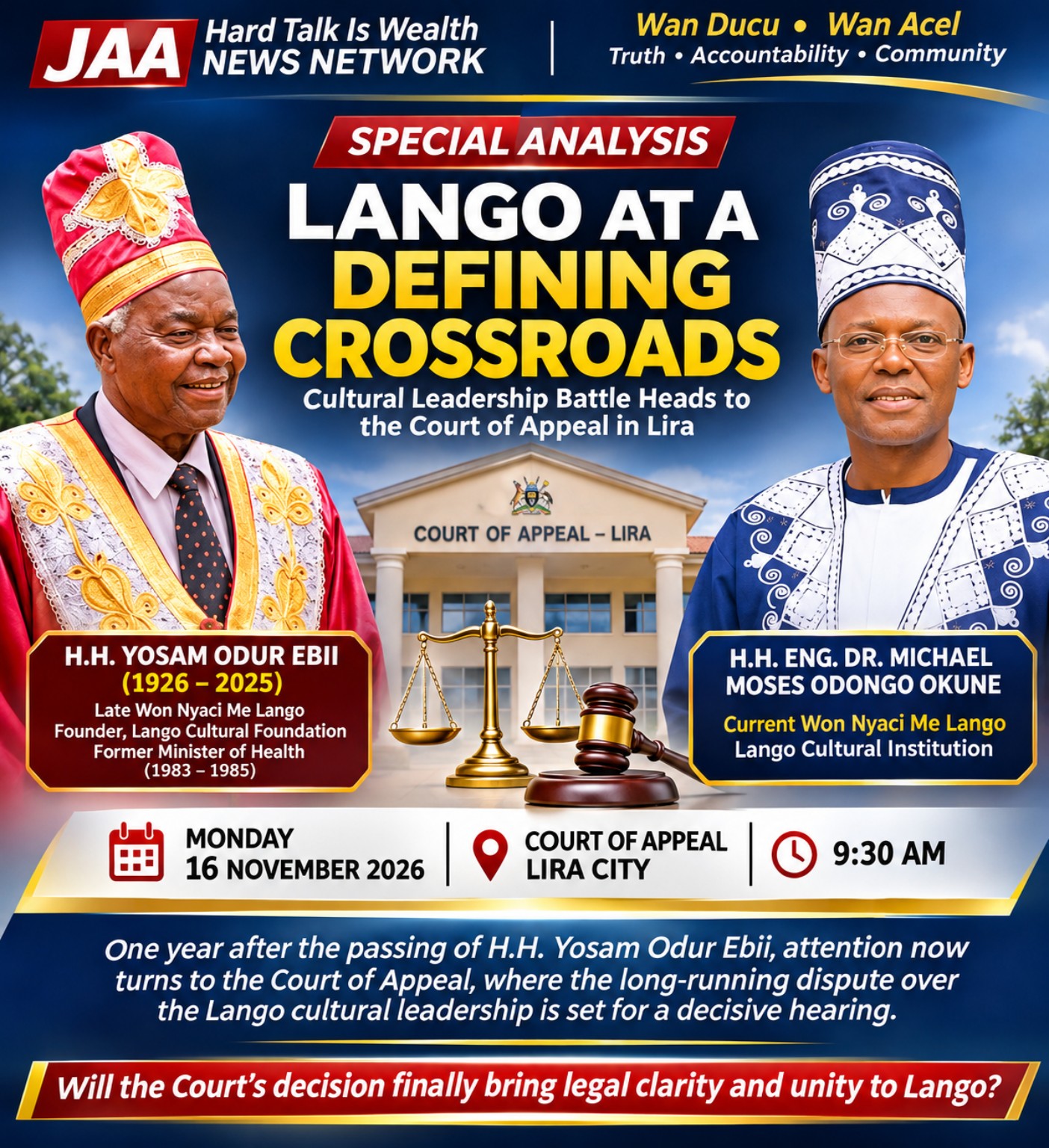
The Court of Appeal Civil Session Cause List supplied to JAA identifies proceedings in Lira on Monday, 16 November 2026, at 9:30 am. It names a coram of Deputy Chief Justice Hon. Justice Moses Kazibwe Kawumi, Hon. Lady Justice Margaret Tibulya and Hon. Lady Justice Ketrah Kitarisibwa Katunguka.
The list includes Civil Appeal CA-065-2022, Eng. Dr Michael Moses Odongo Okune versus Yosam Odur Ebii and another, marked as a review with the status recorded as “Record”. It also lists CA-922-2024, Benjamin Okii and another versus Eng. Dr Michael Moses Odongo Okune and three others, alongside connected matters and applications, including proceedings concerning a stay, an application for contempt, a request for forensic examination and a civil reference. These entries show that the dispute has generated several connected legal questions; they should not be collapsed into one case or one assumed outcome.
Crucially, the cause list is a schedule of civil-session business. It does not expressly say that the Court will deliver a final judgment on the whole cultural leadership dispute on 16 November. The parties and the public should therefore wait for the Court's directions and the actual orders made. No responsible newsroom should announce a judgment before it is delivered.
TWO SIDES, TWO CLAIMS, ONE COMMUNITY — BUT THE COURT MUST APPLY THE LAW
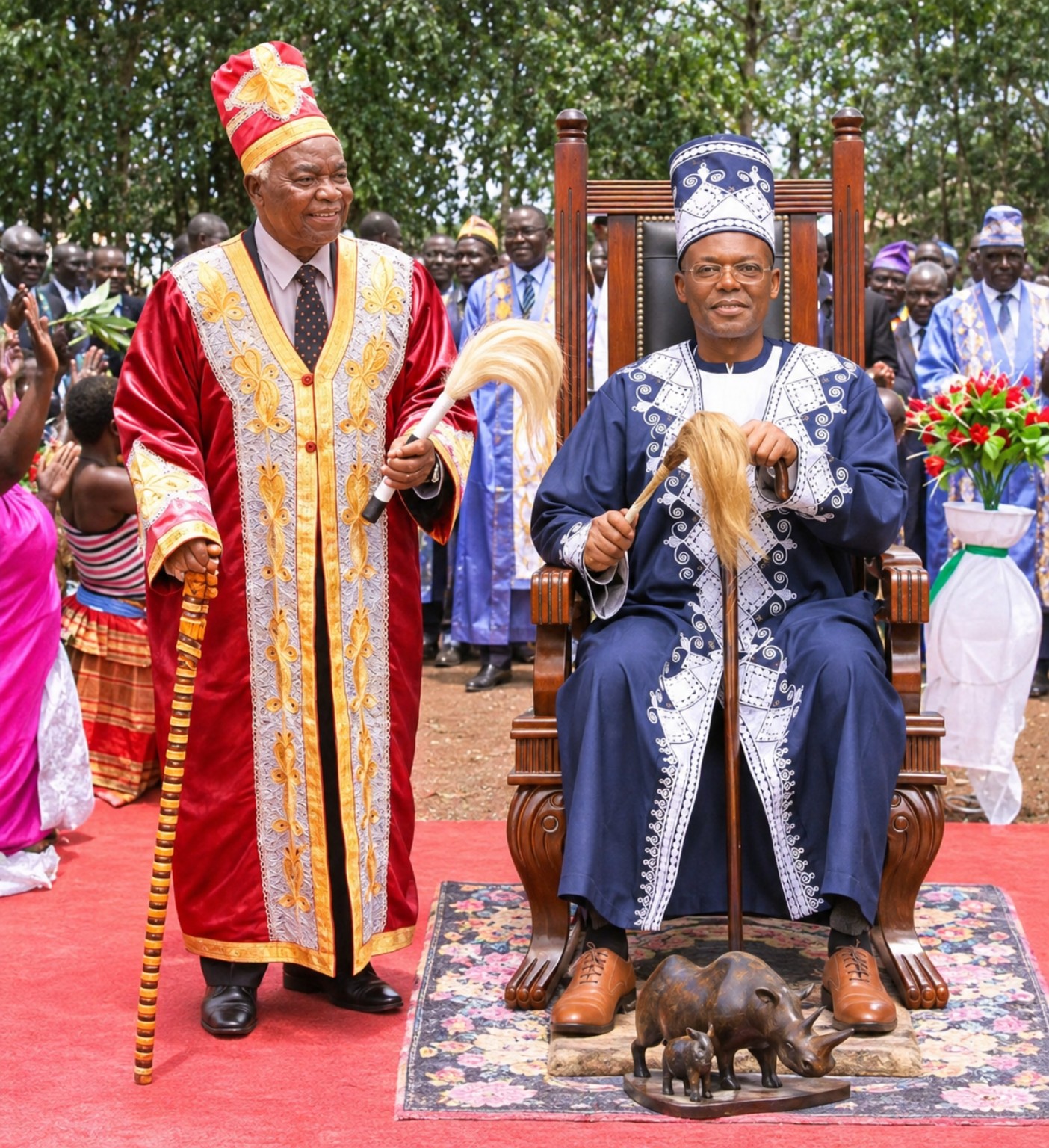
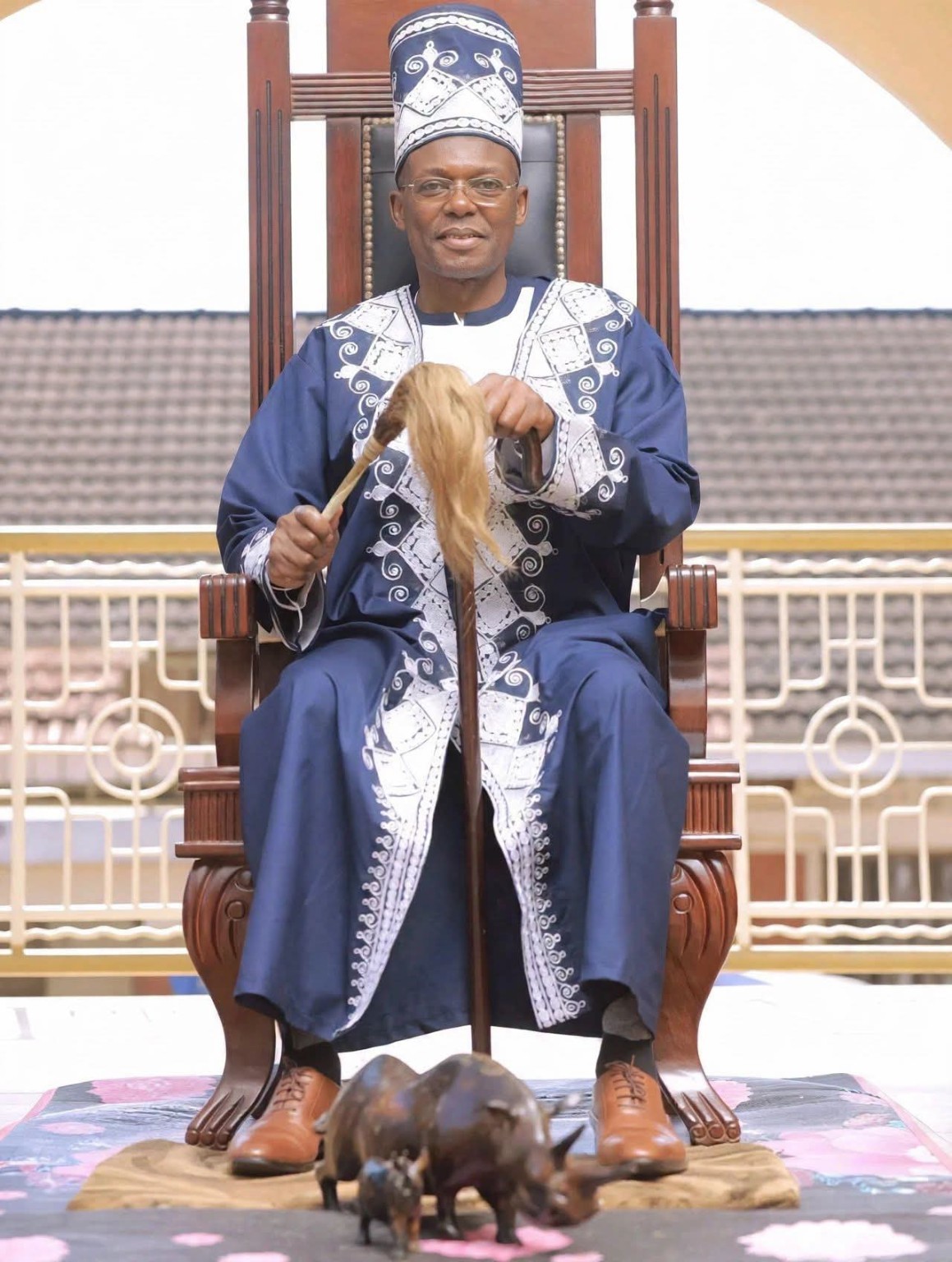
On one side stands the Lango Cultural Foundation, historically associated with the late Yosam Odur Ebii and now advancing its own succession arrangements. On the other stands the Lango Cultural Institution, associated with Eng. Dr Michael Moses Odongo Okune. Each side has supporters, arguments and its own account of legitimacy. But the law cannot recognise two incompatible answers to the same legal question at the same time.
That does not mean the Court can settle every cultural, historical or emotional question facing Lango. Judges determine the matters properly placed before them, on the evidence and law. Their orders must be read carefully. Neither side should claim a total victory beyond what the judgment actually decides; neither should encourage supporters to treat an adverse ruling as permission to defy the law.
The legal process must be allowed to work without intimidation, threats, manufactured crowds or pressure on judicial officers. The people of Lango should not be asked to choose between their neighbours and their culture. A legal disagreement is not a licence to turn a community into opposing camps.
THE SUCCESSION QUESTION AFTER YOSAM ODUR EBII'S DEATH
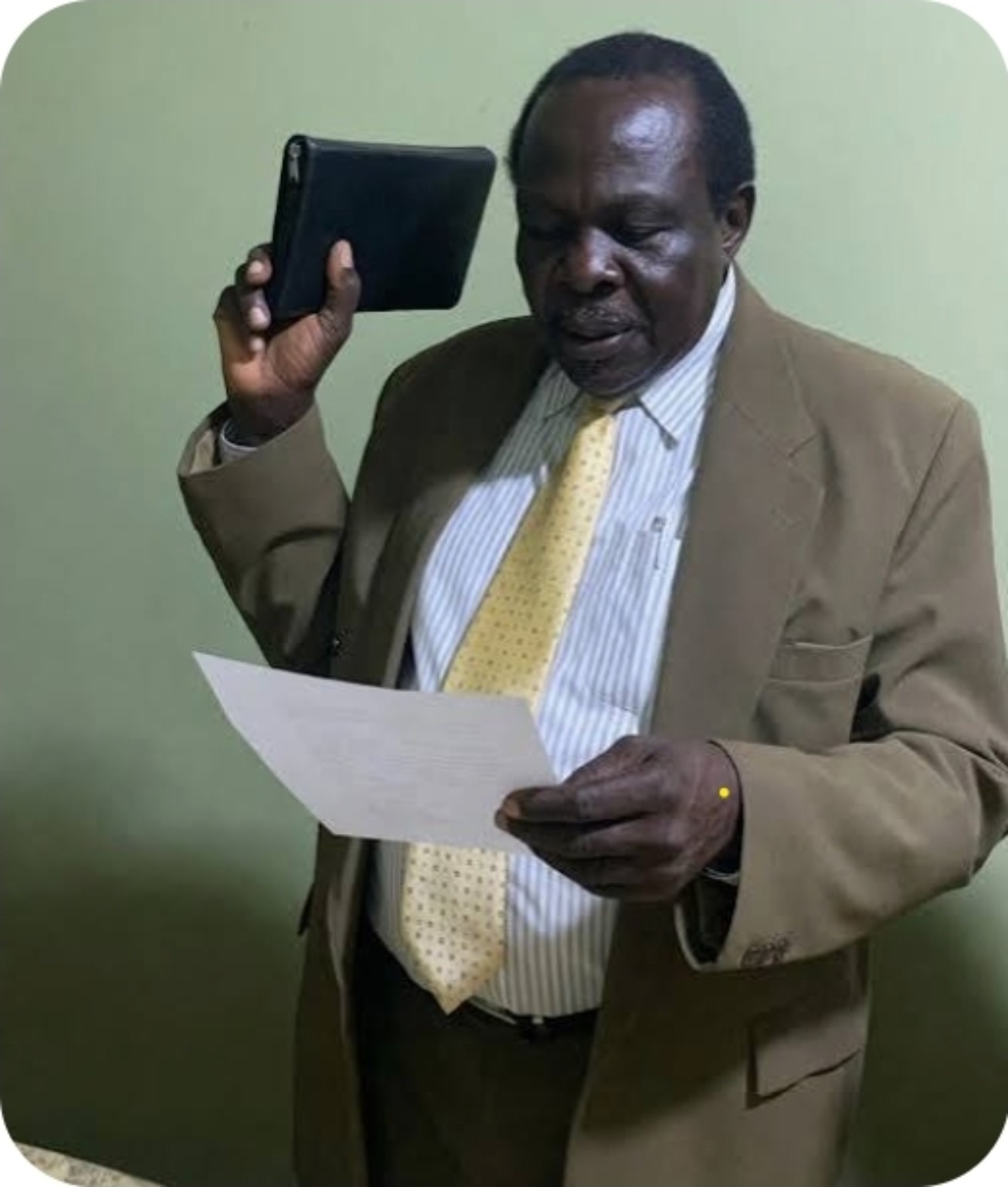
Yosam's death on 10 November 2025 left a profound vacancy in the institution he had led. The question of succession should have been an opportunity to demonstrate the strength of Lango's customary and institutional arrangements. Instead, it has become entangled in the wider dispute.
Who has authority to convene a succession process? Which constitution or customary rules apply? Who is eligible to participate? What safeguards protect transparency, representation and the rights of those who disagree? How should a disputed election be reviewed? These questions require written answers, not merely competing declarations or the strength of a crowd.
Any succession framework should also provide for accountability, term limits or tenure where applicable, financial reporting, dispute resolution and the orderly transfer of responsibilities. Lango should not have to wait for another death or another court case before confronting these questions.
THE WARNING: NOT BOTH SIDES CAN CLAIM THE SAME LEGAL VICTORY
Let us speak plainly. Neither side can lawfully insist that it has won a legal question if the Court's final orders say otherwise. The temptation to declare victory before reading the ruling, to mobilise supporters against the other camp or to portray every legal setback as an attack on Lango must be resisted.
JAA hopes these proceedings will help bring legal clarity to the dispute. But a court outcome is not a magic wand. If one side succeeds, it must not use the result to humiliate or exclude the other. If one side loses, it must not use disappointment to undermine lawful authority. Both sides must accept the actual decision, pursue only lawful remedies and begin the harder work of rebuilding trust.
Reports reaching the newsroom suggest that preparations and anxiety are intense in both camps and among Lango at home and abroad. The phrase being heard in the community—that people are “sleeping with their shoes on”—captures the tension, but it must remain a figure of speech, not a call to mobilisation. No crown, office or court order is worth a single life, a burned home or a broken family relationship.
PREPARING THE CROWD: LIRA MUST NOT BECOME A THEATRE OF CONFRONTATION
The Court of Appeal proceedings are expected to attract considerable public interest. Lango people, cultural leaders, elders, politicians, religious leaders and members of the diaspora may wish to witness the process. Those who attend must remember that a court is not a political rally or a coronation ground.
Supporters of both sides should remain calm, obey court and security instructions, avoid provocative slogans, threats, insults or physical confrontation, and leave space for the parties, lawyers, court staff and other members of the public. Do not block roads or entrances, carry objects intended to intimidate, or circulate rumours about the judges or the outcome. If the courtroom cannot accommodate everyone, follow official arrangements and rely on accurate reporting rather than forcing entry.
Leaders have a particular responsibility. They should brief their supporters before travelling to Lira, appoint calm and responsible coordinators, discourage retaliation and publicly commit to respecting the Court's directions. Religious leaders and elders should use their influence to prevent tension from spreading into homes, villages and diaspora communities.
A MESSAGE TO THE LATE YOSAM ODUR EBII
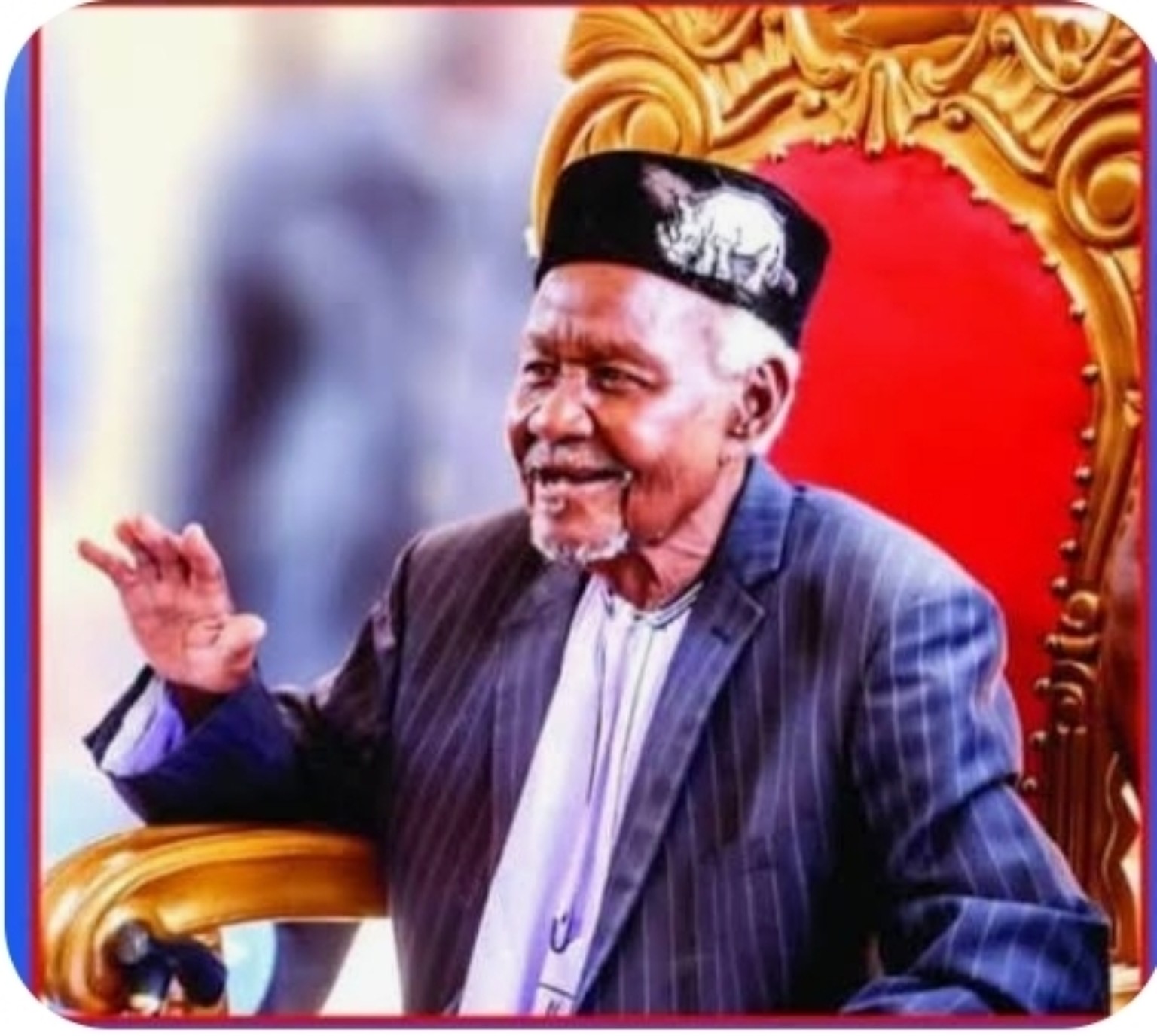
One year after your departure, the community you served is still searching for answers. You brought Lango people together in London in 2007 and challenged the diaspora to think beyond distance, to invest in education, peace and the preservation of Leb Lango. You spoke of a university, roads, health services, the needs of widows and orphans, and the responsibility of leaders to resolve disputes peacefully.
Today, the questions remain. Will the people who inherited the institutions you helped build protect them from division? Will those who once worked closely together find the courage to speak again? Will the next generation inherit a cultural institution strengthened by transparent rules, or a permanent battlefield of rival claims?
Your legacy should not be reduced to who occupies a throne. It should be measured by whether Lango's children can learn their language, whether families can live without fear, whether young people can find opportunity, whether elders are respected and whether cultural leadership helps the region move forward.
THE WAY FORWARD: THE COURT CAN DECIDE THE CASE; LANGO MUST CHOOSE RECONCILIATION
JAA's position is straightforward: the Court must be allowed to determine the legal questions before it, and all parties must comply with the orders actually made. Beyond the courtroom, Lango needs an independent reconciliation process involving the two institutions, clan elders, religious leaders, women, youth, historians, lawyers, health professionals, elected representatives and the diaspora.
That process should begin with a shared commitment to non-violence and respect for the judicial process. It should then establish an agreed historical record of the institution, commission a transparent review of clan identities and customary structures, clarify succession and governance rules, and create mechanisms for financial accountability and dispute resolution. The process must not be used to overturn a court decision or to force one side to surrender its identity; it should help the community live together under clear and lawful arrangements.
The 2007 conference showed that Lango can gather people from across the world around a common purpose. The resolutions on a university, the Apac road and sustainable peace remain a reminder of what leadership should be discussing. The region still needs investment, quality education, reliable healthcare, infrastructure, jobs and peace. Cultural leadership should help mobilise those priorities—not consume the community's energy indefinitely.
JAA HARD TALK IS WEALTH NEWS NETWORK
Truth • Accountability • Community
“Hard Talk is Wealth.”
Editorial note: This is a special national analysis based on information and historical accounts supplied to the newsroom, together with the Court of Appeal Civil Session Cause List made available to JAA. Allegations about individuals are not presented as established facts. The Court's actual orders, if delivered, take precedence over predictions or commentary.
THE GENERAL PUBLIC IS INVITED TO COMMENT
What lessons should Lango learn from this long-running dispute? What practical steps can both institutions take to protect peace, respect the law and rebuild trust after the Court of Appeal proceedings? Readers are invited to share thoughtful, respectful comments through our Contact page. Please avoid insults, threats and unverified personal allegations.