OBOTE'S GRAVE: IS THIS ALL LANGO HAS TO SHOW THE WORLD?
JIMMY AKENA, WHERE IS THE MEMORIAL WORTHY OF A FORMER PRESIDENT? As Akokoro remembers Dr Apollo Milton Obote, a bigger question confronts the family, UPC and Uganda: can a grave become a lasting centre of history, learning and heritage tourism?
By James Alele-Acuda | Critical Thinker | Wan Ducu Wan Acel | Hard Talk Is Wealth
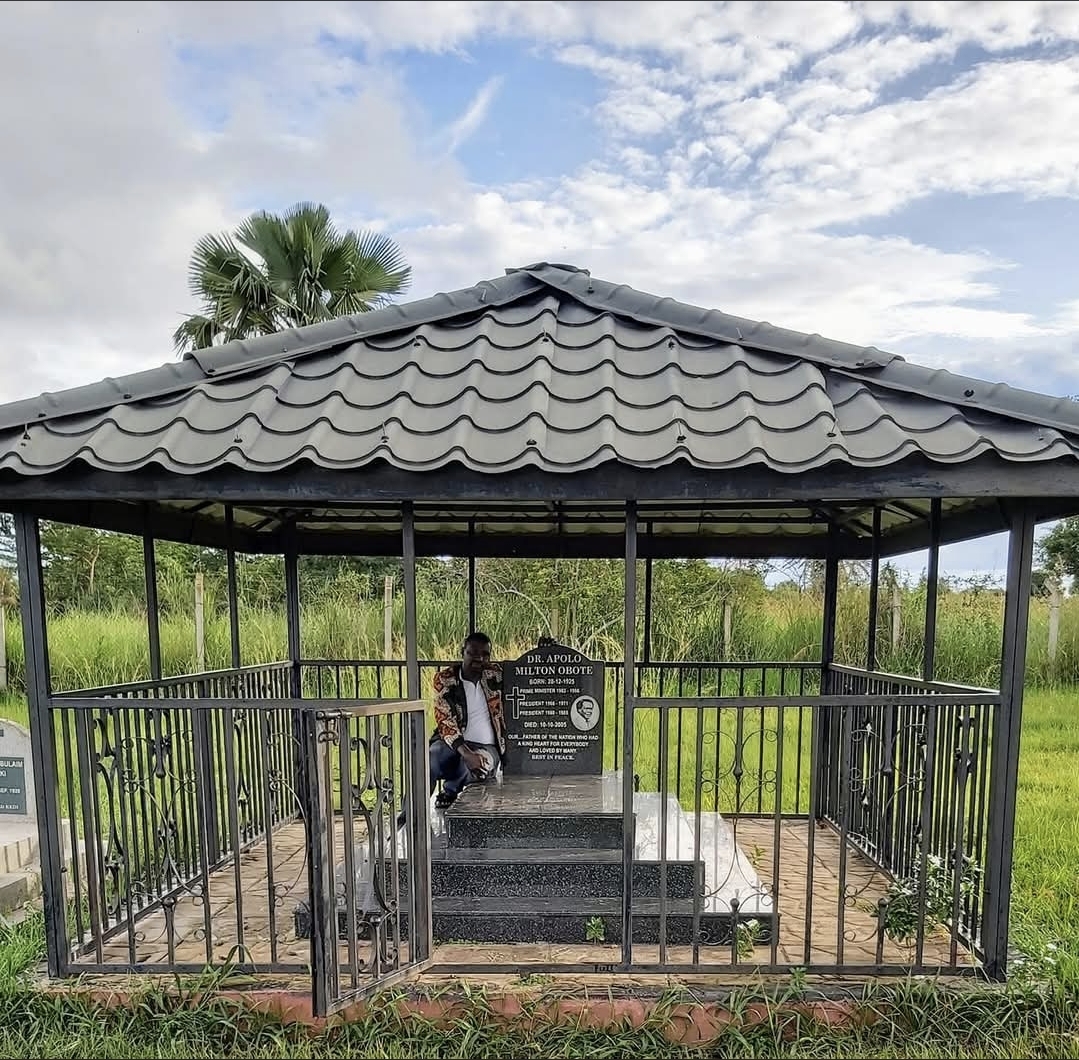
AKOKORO, APAC DISTRICT. Dr Apollo Milton Obote's resting place marks the end of a life inseparable from Uganda's independence and political history. But what should visitors encounter when they arrive to learn about that history?
For a former prime minister and president whose name still provokes debate across Uganda, the question is not whether everyone must celebrate him. It is whether the country can preserve the evidence of his life and times in a serious, accessible and historically honest way.
A grave marks where a life ended. A meaningful memorial can help generations understand what that life meant.
Jimmy Akena: What will the next generation inherit?
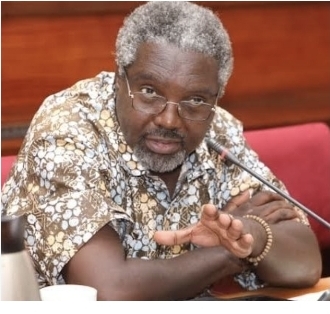
Jimmy Akena, the wider Obote family, leaders of the Uganda People's Congress and the relevant public authorities should be asked a straightforward question: what plans exist for a permanent memorial and heritage institution at Akokoro?
Why not explore a museum, historical archives, landscaped memorial gardens, educational facilities, guided visits and opportunities for local communities to participate in heritage tourism? A permanent institution could document the independence movement, the political conflicts that followed and the lives of Ugandans affected by those events.
Such an initiative would need transparent governance, professional historical input, a feasibility study and funding arrangements. It should not become a monument to a single political interpretation. Obote's contributions and the controversies and suffering associated with his periods in power must all be part of the historical record.
Beyond the annual tent
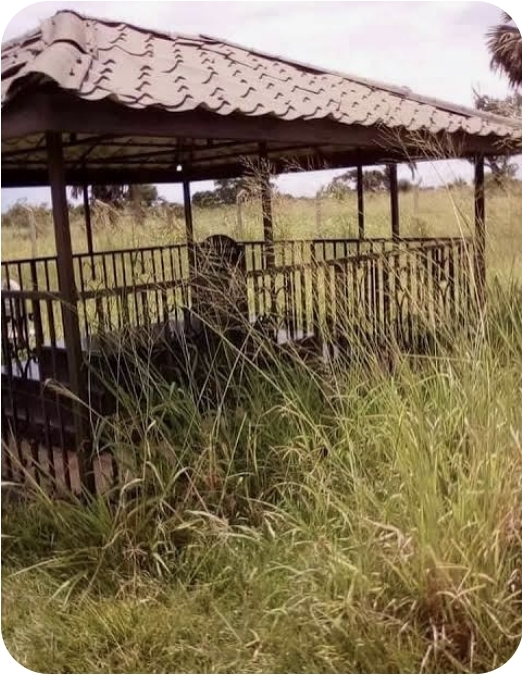
Annual prayers and commemorative gatherings can be meaningful. But they are not substitutes for long-term preservation. What visible progress could organisers show at the next anniversary: better maintenance, a visitor information board, an archival exhibition, a conservation plan or the first stage of a permanent centre?
Photographs of overgrown vegetation at the graveside raise questions about maintenance, although a photograph alone cannot establish the site's current condition or who is responsible. Those questions deserve factual answers, not assumptions.
UPC's future cannot live in the past alone
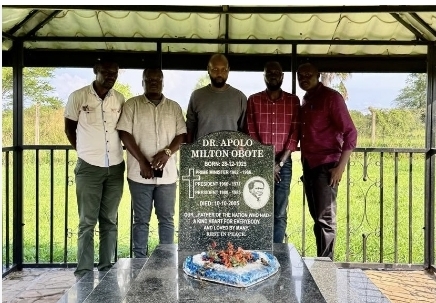
Akokoro's future also invites a wider debate about the Uganda People's Congress. A party with a long history must still explain how it intends to address present-day issues and organise for the future.
Important questions include how UPC can resolve internal leadership disputes through accepted procedures, strengthen local structures, engage young people and women, and offer detailed proposals on jobs, agriculture, industry, healthcare, education and public accountability.
Preserving Obote's history and discussing UPC's modern political programme are different tasks. Neither should be used to avoid the other.
Could East Africa help preserve this history?
Scholars, heritage institutions, Ugandans in the diaspora and interested supporters across East Africa could be invited to explore a voluntary, accountable memorial initiative. Their participation or willingness to contribute should not be presumed. Any proposal should first clarify ownership, conservation standards, management and how surrounding communities would benefit.
The final word: What is the meaning of life?
A person can hold the highest office, influence millions and become part of a nation's story. Eventually, the offices and ceremonies end. What remains is the evidence we preserve, the lessons we teach and the questions we allow future generations to ask.
Jimmy Akena, the Obote family, UPC and the government should have the opportunity to explain what preservation work has already been undertaken and what comes next. This editorial does not claim that no plans exist; it calls for them to be made clear.
When visitors return to Akokoro next year, what will they find beyond the grave?
May Jimmy Akena, his siblings and the wider Obote family find wisdom, strength and peace as they preserve their family's history while participating in Uganda's continuing national journey.